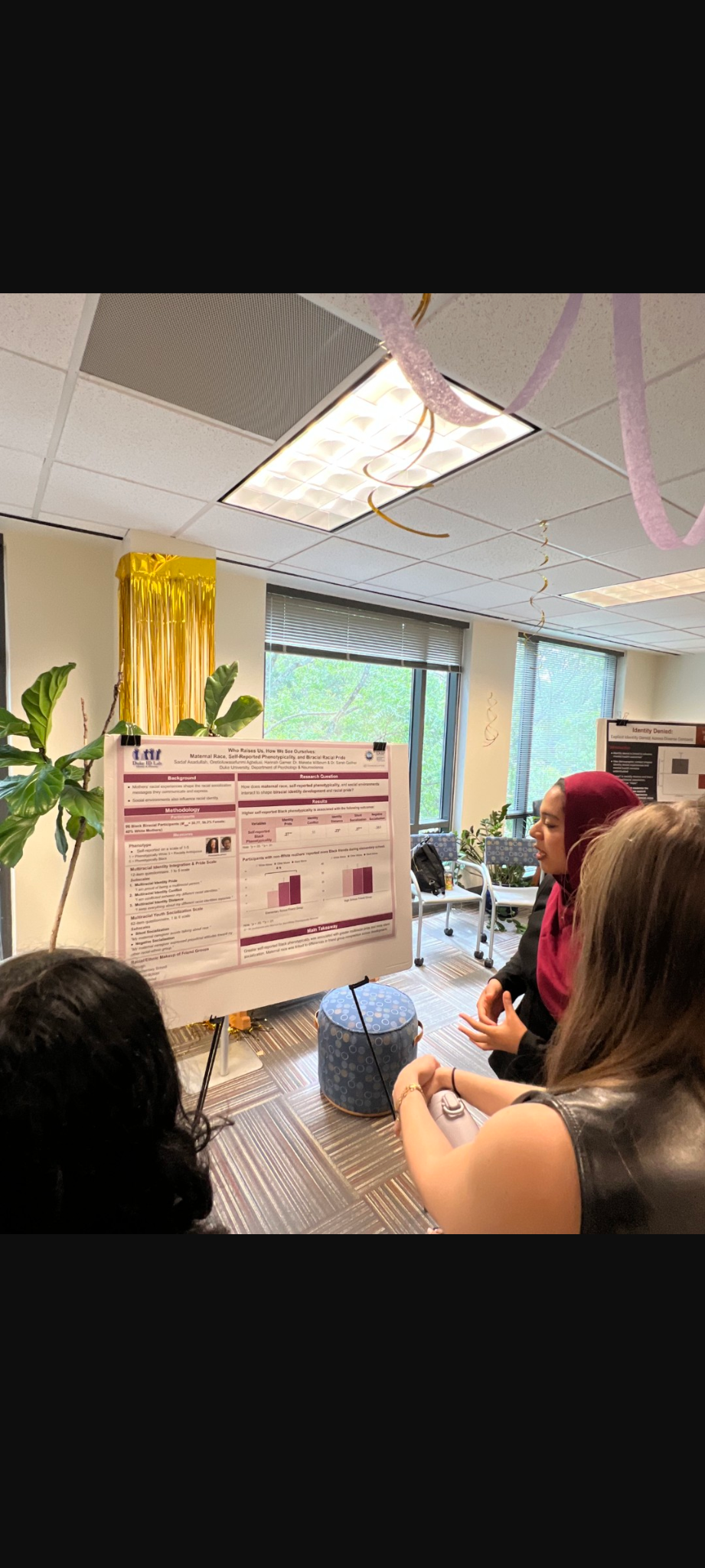
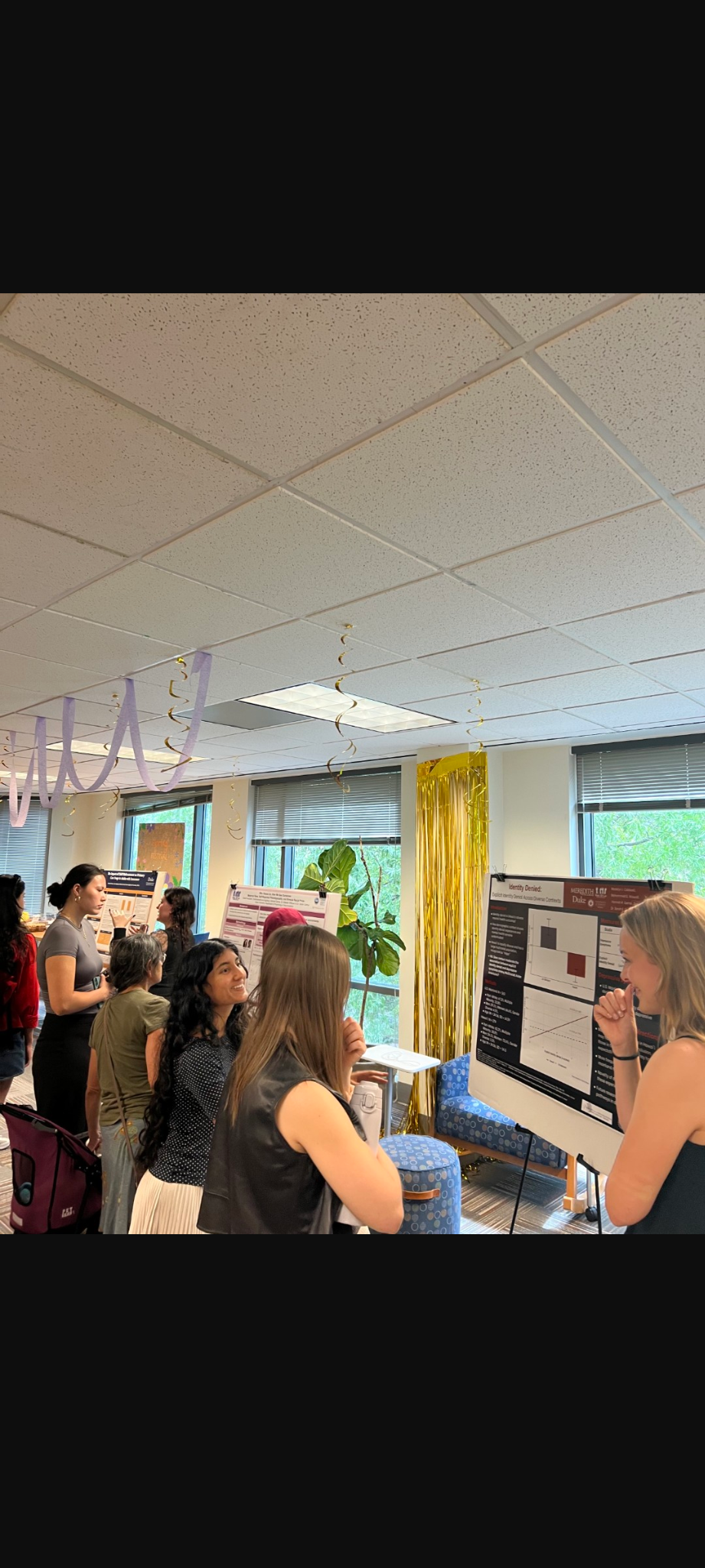
My approach to mentorship centers on giving students meaningful intellectual ownership of their work. I aim to help students develop the confidence and skills to move from contributing to existing research to asking their own questions, making independent decisions, and communicating their work to broader audiences. At Duke, I have mentored more than 20 undergraduate researchers through lab experiences, independent studies, honors theses, and collaborative research projects, while also helping develop programs that expand undergraduate access to sustained research mentorship.
Honors Thesis Mentorship
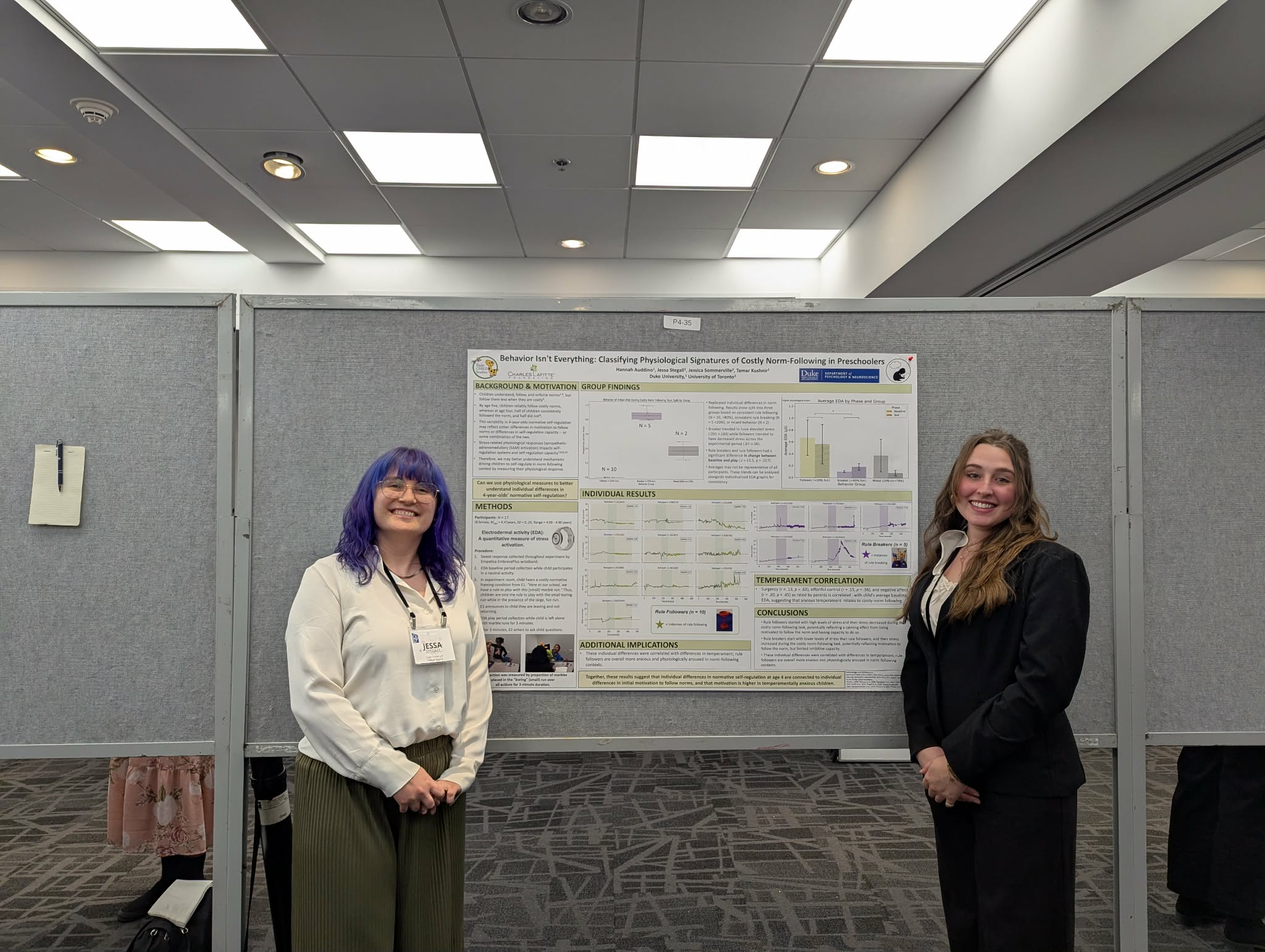
Hannah Auddino
Behavior Isn’t Everything: Physiological Signatures of Costly Norm-Following in Preschoolers
Hannah developed a project incorporating physiological measurement into our work on costly norm-following, extending the project beyond behavioral measures.
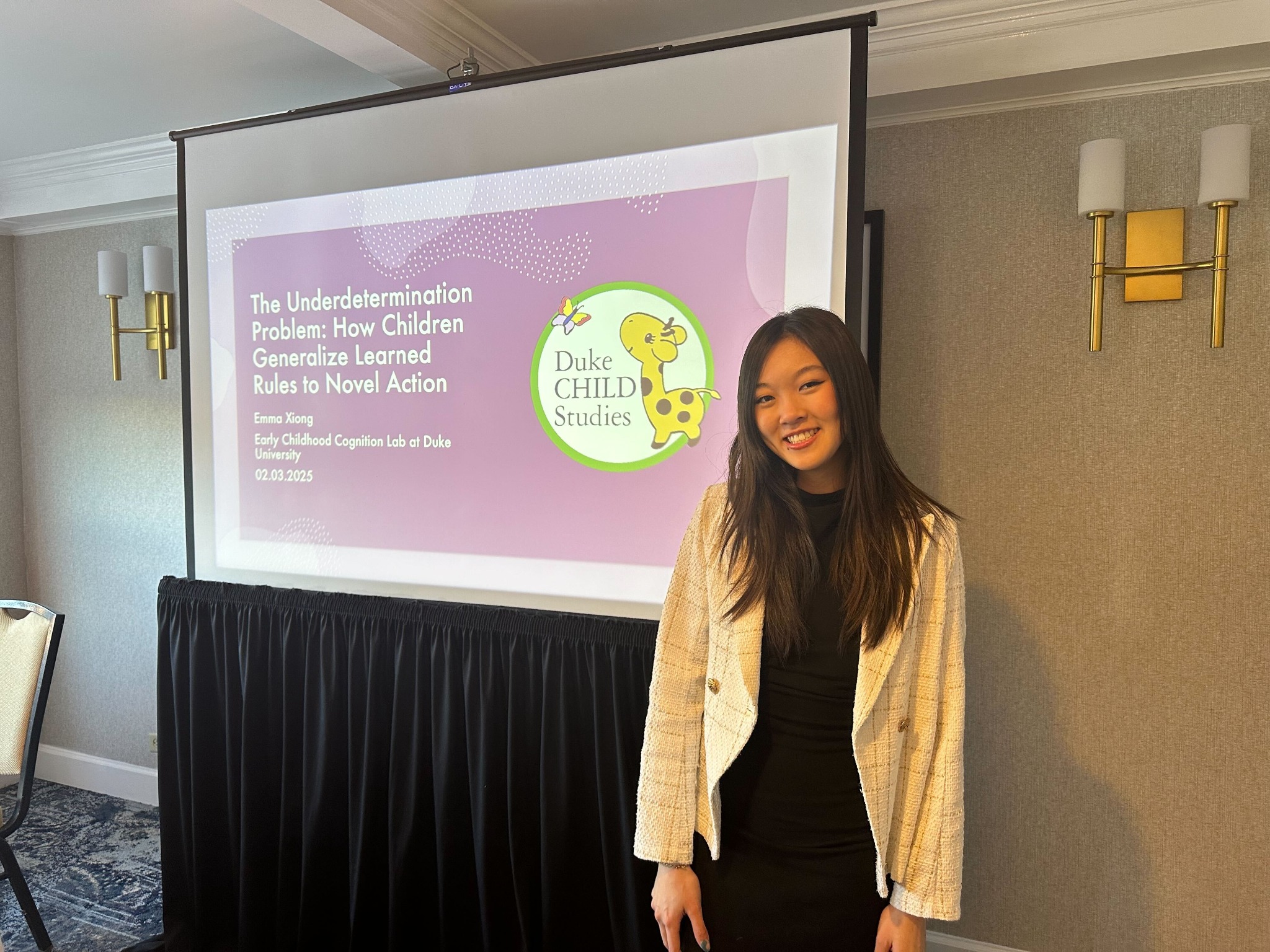
Emma Xiong
The Underdetermination Problem: How Children Generalize Learned Rules to Novel Action
Emma’s honors work examined how children generalize underspecified rules to their own actions and developed into our ongoing work on first-person normative inference.
“I really like the independence you give to your RAs to help contribute to protocols and brainstorm new ideas. I feel like this has genuinely helped me to understand more about the research process.”
“[Jessa’s] attention to detail, and holistic approach to ensuring her students understood projects in their entirety, grew my confidence, and as a senior in undergraduate I was capable of training my own team of research assistants on my study.”
“I had a good balance of figuring out my own direction but still being able to lean on you for guidance, and never felt like I couldn’t ask you about something.”
Collaborative Undergraduate Research
Bass Connections: Increasing Children’s Sense of Belonging in STEM Fields
As a graduate team member, I helped mentor an interdisciplinary team of undergraduates through a community-engaged research partnership with Durham’s Museum of Life and Science. Students participated throughout the research process—from study design and data collection with children to analysis and dissemination—and presented their findings to both academic and community audiences.
Expanding Access to Research
Undergraduate Research Opportunity Program (UROP)
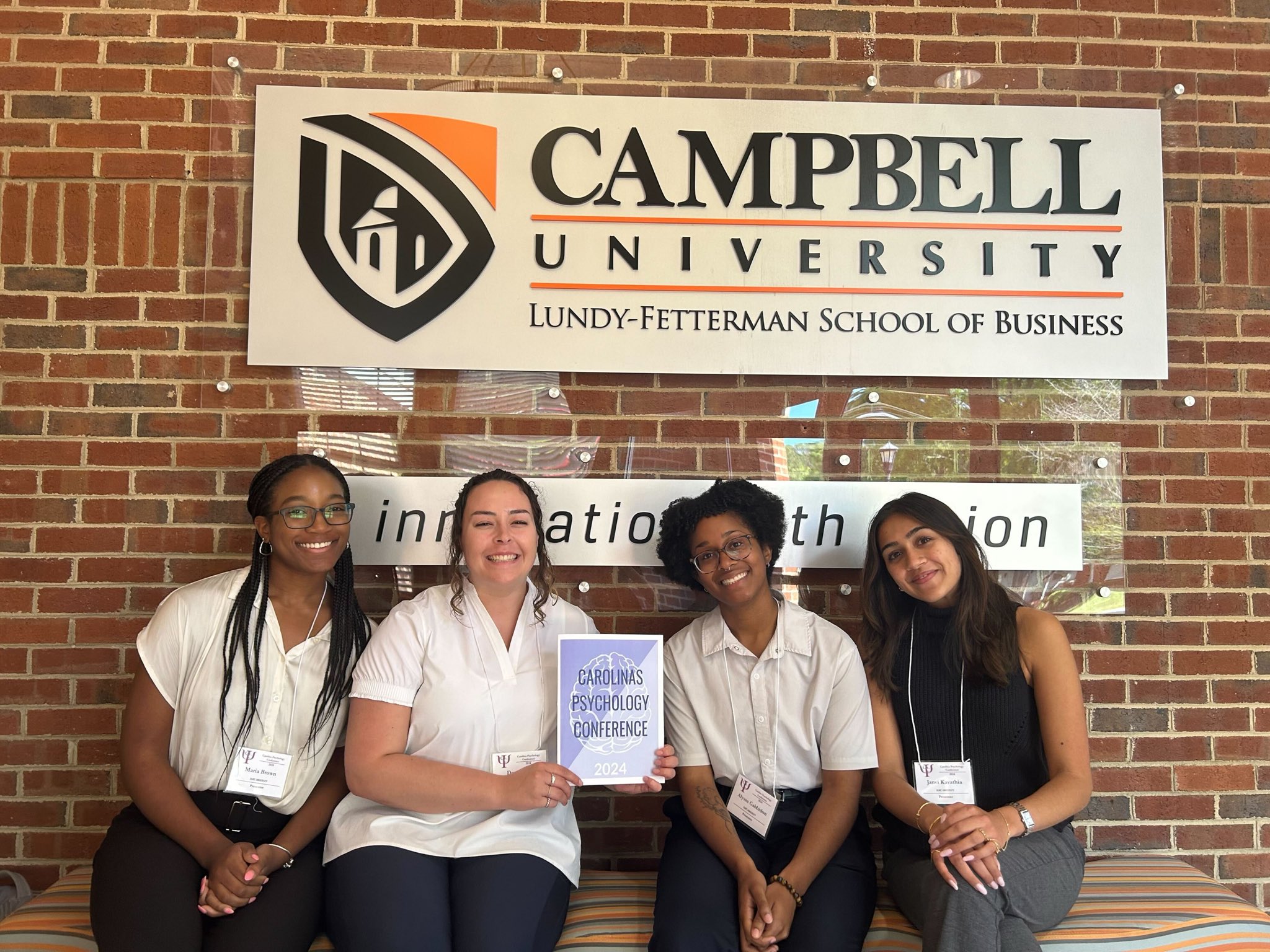
Through Duke Psychology & Neuroscience’s student-led Anti-Racism Community, I help organize UROP, an initiative designed to expand access to research experiences for students at local non-R1 institutions. Students are paired with Duke graduate students, postdoctoral researchers, and staff for two semesters of sustained research mentorship, culminating in an in-person poster session where they present the work they have developed with their Duke mentors.